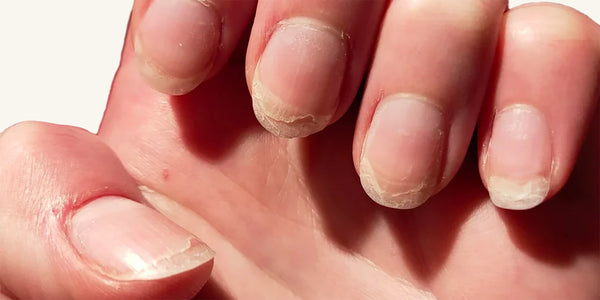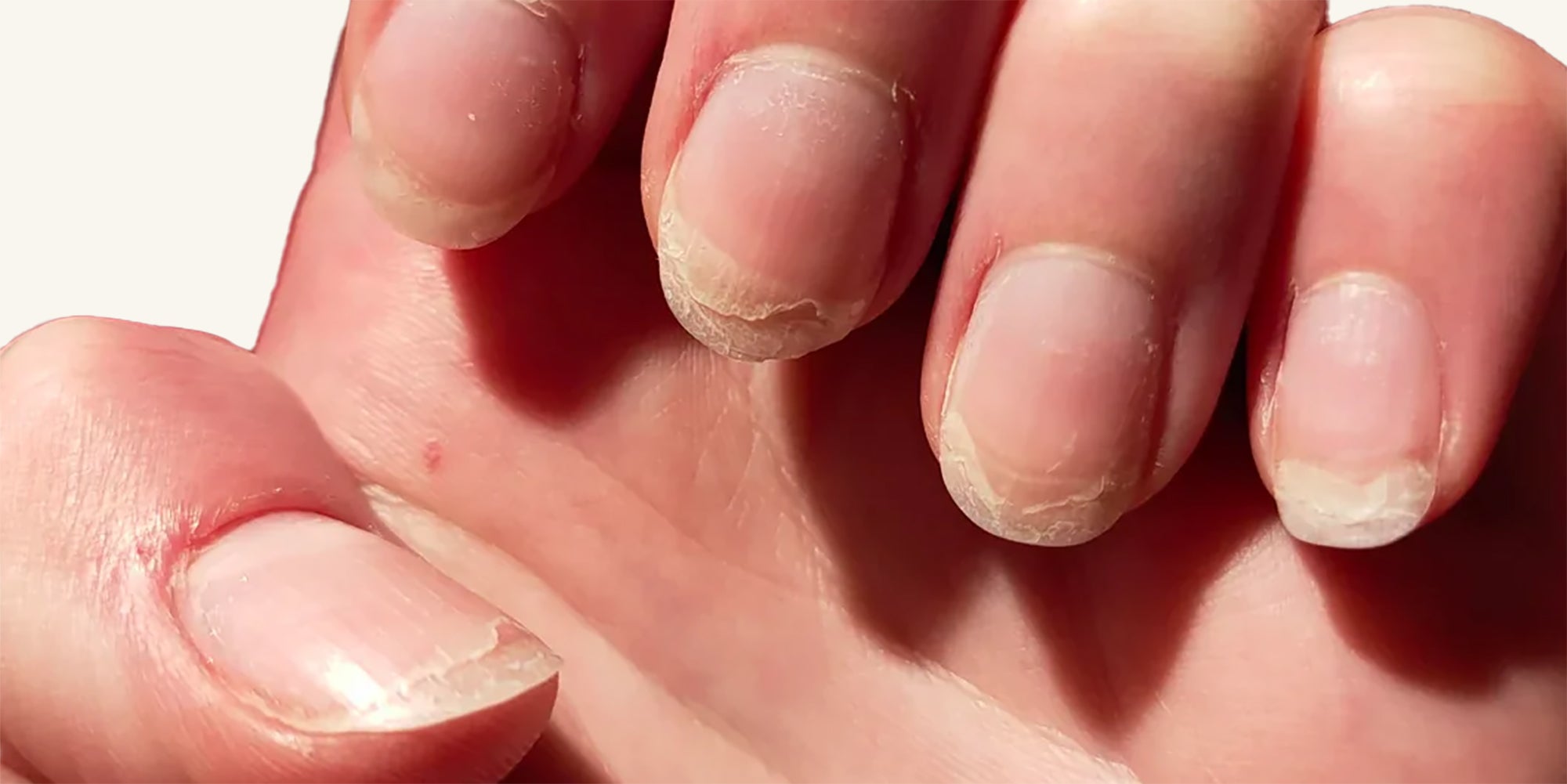

There's a certain kind of skin day that's hard to explain properly.
Nothing looks dramatically wrong but something just feels off.
Your skin might feel tighter than usual. A bit more sensitive. Products you've used forever suddenly sting slightly. Or everything just looks a little flat, a little tired.
I see this pattern a lot and most of the time, it comes back to one thing: your skin barrier needs a reset.
So what actually is your skin barrier?
It sounds technical, but it's actually quite simple.
Your skin barrier is the outermost layer of your skin. Think of it as your skin's way of holding everything together and keeping things balanced.
It's made up of skin cells and lipids (like ceramides and fatty acids) that act almost like a seal. When it's working well, your skin holds onto hydration and keeps out things that might irritate it.
When it's not, that seal becomes a little weaker.
And that's when skin starts behaving differently.
How do you know if yours is a bit compromised?
It's usually not one big obvious sign. It's more a collection of small shifts:
Products that used to feel fine suddenly sting a bit, or your skin feels tight even after moisturising. Sometimes there's some lingering redness that doesn't quite settle, or you might even get breakouts and dryness at the same time (which feels unfair).
And the biggest one I hear: "nothing seems to be working anymore."
That's usually your cue to pause, not push harder.
Why it happens (even when you're doing everything "right")
This is the part people find frustrating.
Most of the time, it's not caused by doing the wrong thing — it's doing a few good things, just a bit too much. Here's five:
- Over-exfoliating is a big one.
- Using actives too frequently (especially layering them).
- Cleansing more than your skin actually needs.
- Environmental stress — sun, wind, air conditioning.
- Even just life stress and lack of sleep can tip things over.
It tends to build up quietly, then show up all at once.
Step one: do less than you think
This is where most of the repair actually starts.
If your skin barrier is compromised, your skin isn't in a place to benefit from strong actives. Continuing to use them usually just keeps the cycle going.
So for a little while, it helps to simplify more than feels necessary:
- Pause exfoliating acids.
- Take a break from retinoids.
- Put aside anything that tingles, tightens, or feels "active."
It can feel like you're going backwards, but you're not — you're creating the conditions for your skin to settle.
Step two: bring it back to basics (but the right basics)
When your skin is in this state, it responds best to things it already recognises.
This is where barrier-supportive ingredients come in:
Ceramides, fatty acids, and squalane help rebuild that structure between skin cells.
Glycerin and hyaluronic acid help draw hydration into the skin.
Softer, calming ingredients like aloe or oat help take down some of that underlying sensitivity.
You don't need a long routine here. Just a few products that work well together and don't compete.
Step three: be a bit gentler with cleansing
Cleansing is one of those steps that's easy to overlook, but it makes a difference.
If your skin feels tight after washing, it's usually a sign your barrier is being disrupted daily.
A softer approach works better while your skin is repairing:
- Cleanse properly at night.
- Keep mornings light (or skip if your skin feels fine).
- Use lukewarm water instead of hot.
It should feel like you've cleansed your skin, not stripped it.
Step four: hydrate… then actually lock it in
This is something a lot of people miss.
Hydration on its own isn't enough. You also need to hold onto it.
So think of your routine in two parts:
First, bring hydration into the skin (serums, lighter layers).
Then, seal it in with a moisturiser that supports the barrier.
That second step is what helps your skin stay comfortable throughout the day.

Step five: give it a bit of time
This is probably the least exciting part, but it matters.
Barrier repair doesn't happen overnight. You'll usually start to notice things settling within a week or two, but full recovery can take a little longer.
The key is consistency and not rushing back into actives the moment your skin starts feeling better.
When you do reintroduce them, spacing them out makes a big difference.
What tends to happen when your barrier recovers
Your skin just behaves differently.
It feels more stable. Less reactive. You're not constantly trying to adjust things or figure out what's going wrong.
Makeup tends to sit better. Products absorb more evenly. Everything feels a bit easier.
And usually, it comes from doing less but doing it more thoughtfully.
A quick note to finish
There's a tendency to treat skin like something that always needs fixing.
But quite often, it just needs a bit of space and the right kind of support to come back to balance on its own.
And once it does, everything else tends to fall into place a lot more easily.
Sylvie x